
PRODUCT MAINTENANCE
Processing and Maintenance of Surgical, Beauty, Orthopedic, Veterinary and Dental Instruments, Stainless Steel Trays and Cassettes
GENERAL ADVICE
Stainless Steel Alloys: Stainless steel instruments, trays, and cassettes manufactured by Hash Surgical offer high corrosion resistance. However, prolonged exposure to certain chemicals may cause discoloration, corrosion, or damage to material properties.
Avoid prolonged contact with chloride solutions. Never expose instruments to:
- Chlorine solutions
- Hypochlorites
- Ferric chloride
- Hydrochloric acid
- Iodine
Carbon Steel Alloys: Carbon steel alloys used in cutting and sharpened instruments provide high hardness and long-lasting sharp edges. These instruments require special care:
- Dry instruments immediately after hand or ultrasonic cleaning.
- Keep cutting instruments separate during cleaning and sterilization.
- Use compatible rust-inhibitor detergents.
FUNDAMENTAL RULES
All Hash Surgical instruments must be disinfected, cleaned, and sterilized before each use. New, non-sterile instruments must also be processed before first use. Proper cleaning and disinfection are essential for effective sterilization.
PROCESSING AND MAINTENANCE
Disinfection → Cleaning → Drying → Checking → Sterilization → Storage → Use
Disinfection
Immediately after use, place instruments in a suitable decontamination solution. Disinfect contaminated instruments as early as possible. Follow the correct dosage and exposure time recommended by the disinfectant manufacturer.
Cleaning
Instruments must be properly cleaned before sterilization. Cleaning may be performed manually, with ultrasonic equipment, or using automatic washers.
Hand Cleaning
Wash instruments with warm water and a neutral, non-corrosive detergent. Use stiff plastic brushes. Do not use steel wool or unsuitable metal brushes. Wear protective gloves when handling contaminated instruments.
Ultrasonic Cleaning
Use a compatible neutral detergent with a rust inhibitor where suitable. Place instruments in the ultrasonic cleaner for the recommended cycle time. Change the cleaning solution according to the manufacturer’s instructions.
After cleaning, rinse instruments thoroughly, preferably with demineralized water, to remove detergent residues.
Automatic Washers
Follow the washer manufacturer’s instructions. Use the recommended detergent concentration and soaking time.
Disassemble instruments where applicable and place them in suitable cassettes or trays to prevent damage. Avoid contact between instruments and do not overload the washer. Remove instruments after the program has finished.
Drying
Immediately after rinsing, dry instruments carefully using paper towels or suitable compressed air. Ensure that joints and difficult-to-reach areas are completely dry.
Checking
Inspect instruments for proper function and condition. Remove rusted, stained, damaged, or malfunctioning instruments.
Sharpen instruments where necessary and remove all sharpening residues. Lubricate instruments with hinges, locks, and moving parts using a compatible medical-grade lubricant.
Hinged instruments, including pliers, forceps, scissors, and needle holders, should be sterilized in an open position where applicable. Do not lock instruments during sterilization if the instrument instructions require an open position.
Check the sealing of sterilization envelopes before use.
Sterilization
Warning: Sterilization does not replace cleaning. Instruments must be thoroughly cleaned before sterilization. Use a validated sterilization process suitable for the instrument and its intended use.
Autoclave Sterilization
Sterilization is performed using high-pressure steam. Do not overload the autoclave. Follow the sterilizer manufacturer’s instructions and recommended cycle parameters.
Dry Heat
Dry-heat sterilization uses heated air. Instruments must be completely dry before processing. Use only packaging materials compatible with the sterilization method.
Cold Liquids
Cold chemical sterilization uses suitable liquid sterilizing solutions. Rinse instruments according to the solution manufacturer’s instructions after immersion. Follow the recommended exposure time and safety precautions.
Storage
Store sterilized instruments in suitable sterilization pouches, containers, trays, or cassettes in a clean, dry, and protected location. Avoid unnecessary handling before the next use.
CONSIDERATIONS
The above recommendations for processing Hash Surgical instruments are intended to help reduce the risk of cross-contamination and protect patients and healthcare professionals.
Proper cleaning, maintenance, and sterilization help preserve the quality, performance, and service life of our Surgical, Beauty, Orthopedic, Veterinary, and Dental Instruments.

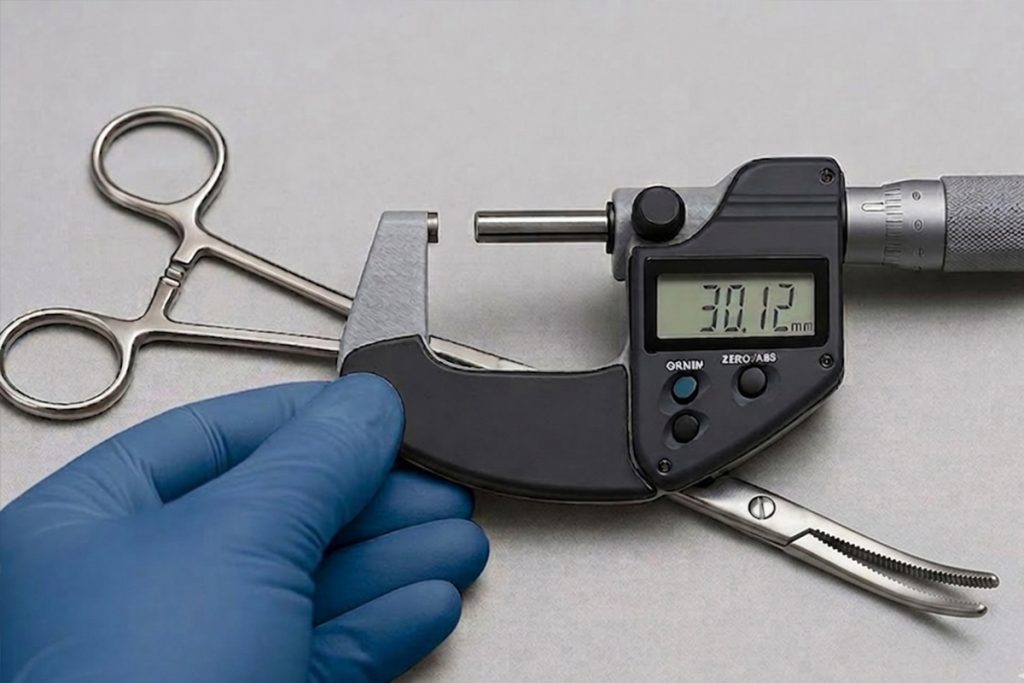
GUARANTEE
Every Hash Surgical instrument is manufactured and inspected with care. Instruments that prove defective in material or workmanship during proper use may be repaired or replaced at the company’s discretion, subject to applicable warranty terms and conditions.
CUSTOMER CARE
How to Place an Order
Hash Surgical instruments are available through authorized distributors and business partners. Customers may contact our customer care team for product information, order assistance, and distributor details.
Our customer care staff will be pleased to provide support and information regarding our products and services.
Product Identification & Packaging
All Hash Surgical instruments are marketed under the Hash Surgical brand name. Instruments are identified, inspected, and packaged according to applicable product and regulatory requirements.
Product codes help customers identify selected instruments and facilitate repeat orders.
Each instrument is inspected according to our quality control procedures before packaging.
Each instrument must be cleaned and sterilized before use according to the applicable instructions.
